Conference Venue

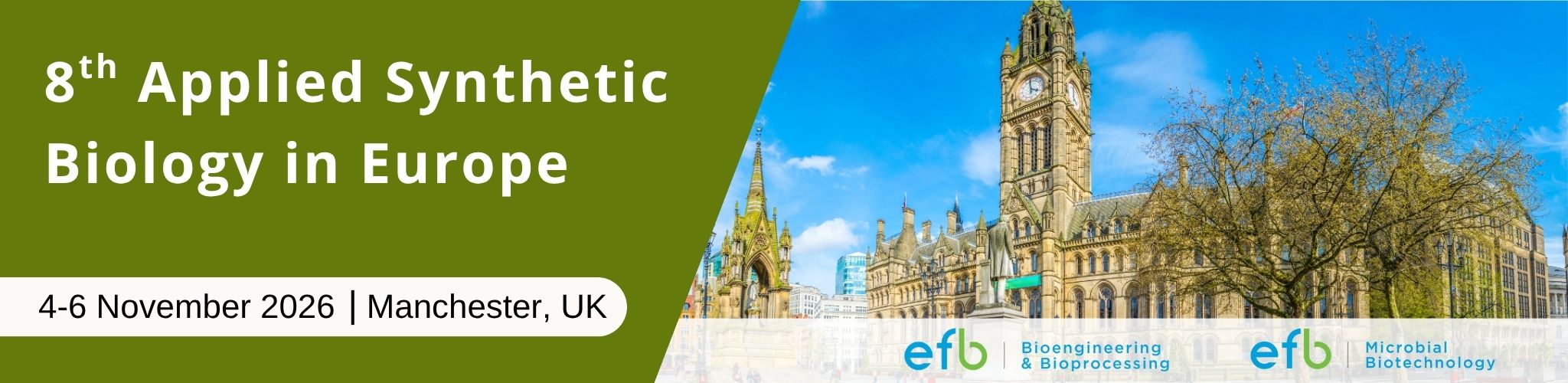
The 8th Applied Synthetic Biology in Europe conference will be held in Whitworth Art Gallery.

The venue is located in Whitworth Park in Manchester, England, just south of the University of Manchester campus. The gallery is part of the university and can be reached by public transport or a short walk from Oxford Road train station.

How to get there:
The gallery is on a major bus route and easily reached via public transport, or on foot or by bicycle:

  • Walk: 30–40 min from Manchester city centre. Flat paved route, not traffic-free.
  • Bike: Sheffield stands and lockers (£1 coin, refundable) both available at the gallery.
  • Bus: 15, 41, 42, 43, 140–143, 147. Ask for bus stop nearest MRI, Oxford Road.
  • Tram: St Peter’s Square (plus 10 minutes on the bus or approximately 30 minutes on foot).
  • Train: Oxford Road (plus 10 minutes on the bus or around 25 minutes on foot).
  • Car: On-street parking (maximum stay 2 hours) on Denmark Road. Nearest car park Cecil Street (M15 6GD).

Whitworth Art Gallery

The University of Manchester,
Oxford Road,
Manchester
M15 6ER

www.whitworth.manchester.ac.uk

About Manchester

How to get to Manchester?

Thanks to an integrated transport network Manchester is one of the most accessible cities in the UK for both national and international visitors.

Rail: 

  • Three main city centre stations: Piccadilly, Oxford Road, Victoria.
  • Direct services from across the UK via Avanti West Coast, TransPennine Express, Transport for Wales, Northern Rail, and CrossCountry.
  • Travel times from major cities: London ~2h 7m, Edinburgh ~3h 15m, Birmingham ~1h 28m, Liverpool ~34m, Newcastle ~2h 25m, etc.

Air:

  • Manchester Airport: 3 terminals, handles 27+ million passengers/year, third largest in the UK.
  • 60+ airlines connect to 200+ destinations worldwide.
  • Onsite rail and Metrolink stations connect to the city centre.

Coach:

  • National Express and Megabus serve Chorlton Street Coach Station and Manchester Airport.

Car:

  • Excellent motorway links, M60 ring road connects to north, east, south, and west motorways.

Picture by Marketing Manchester, www.meetinmanchester.com

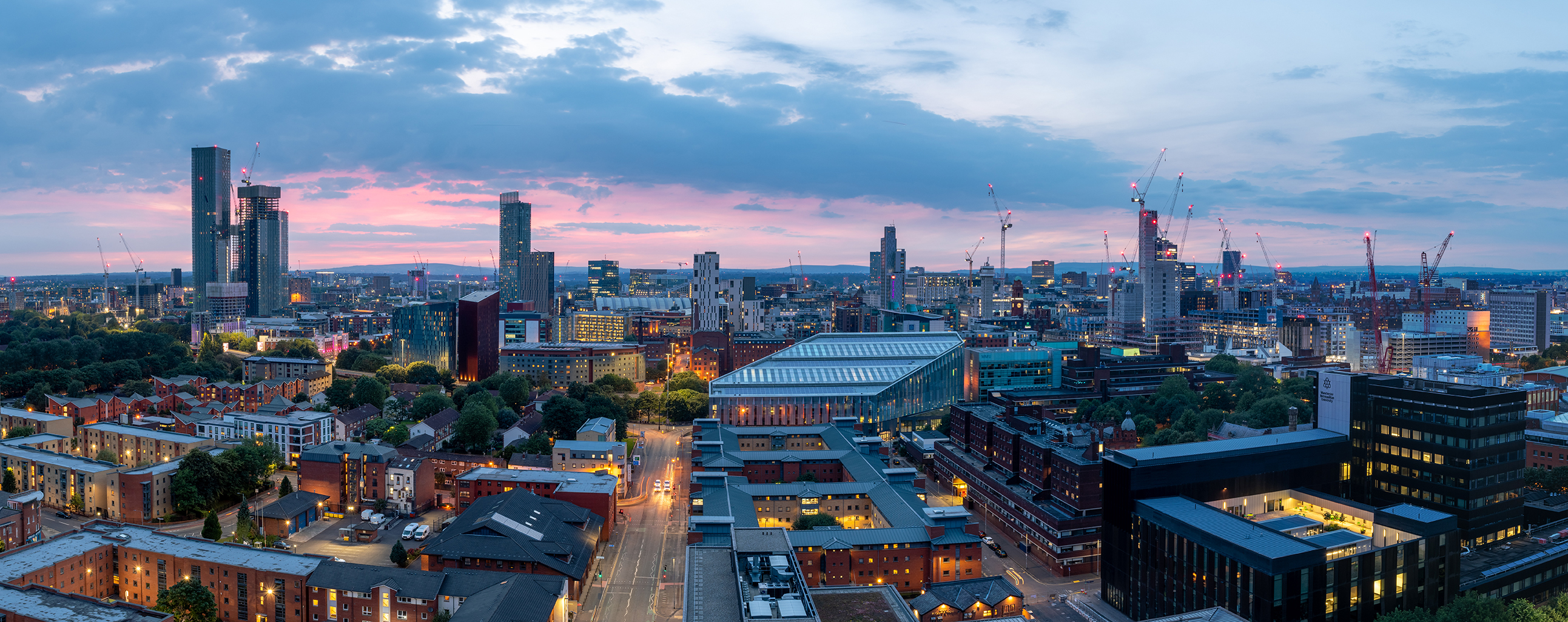
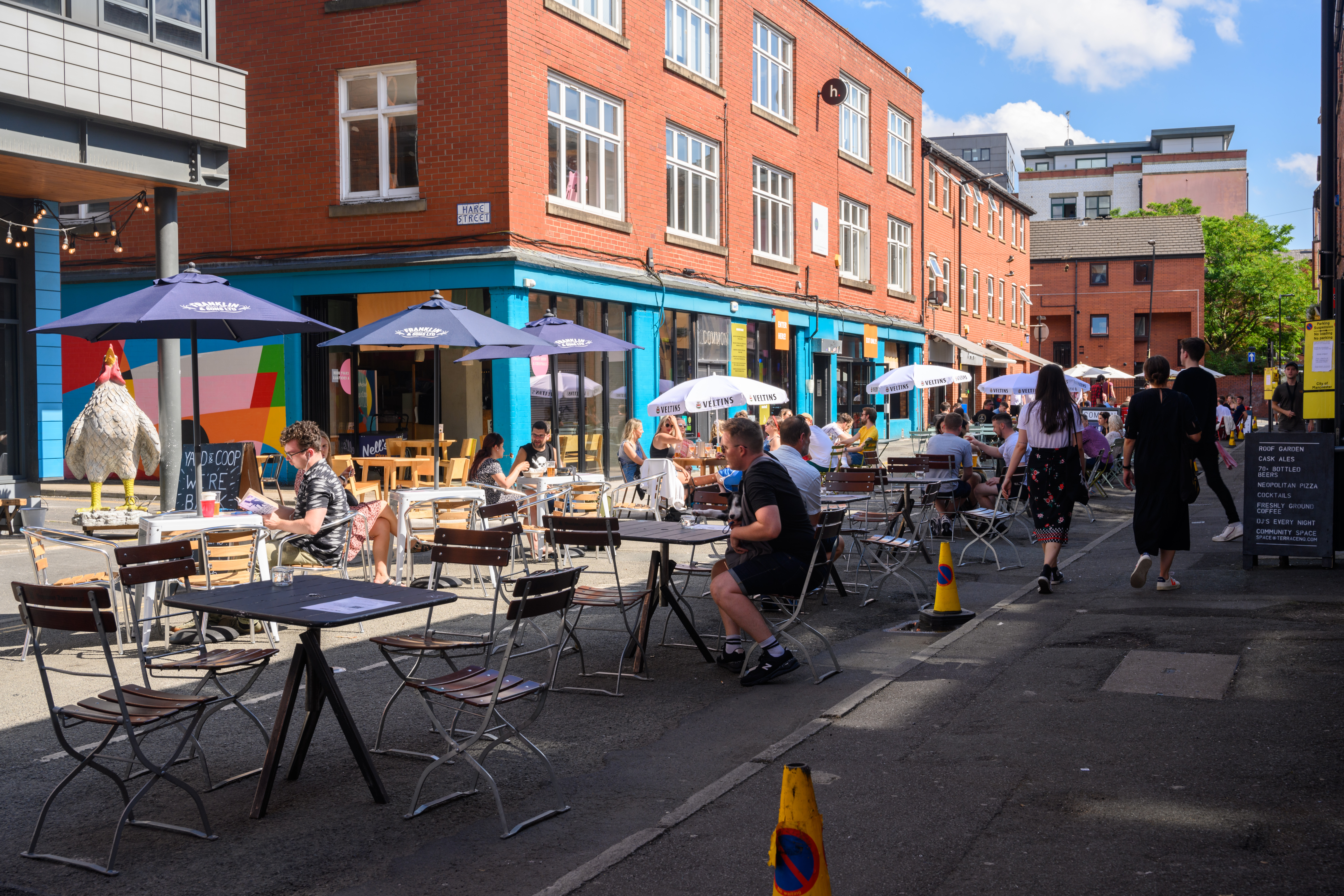
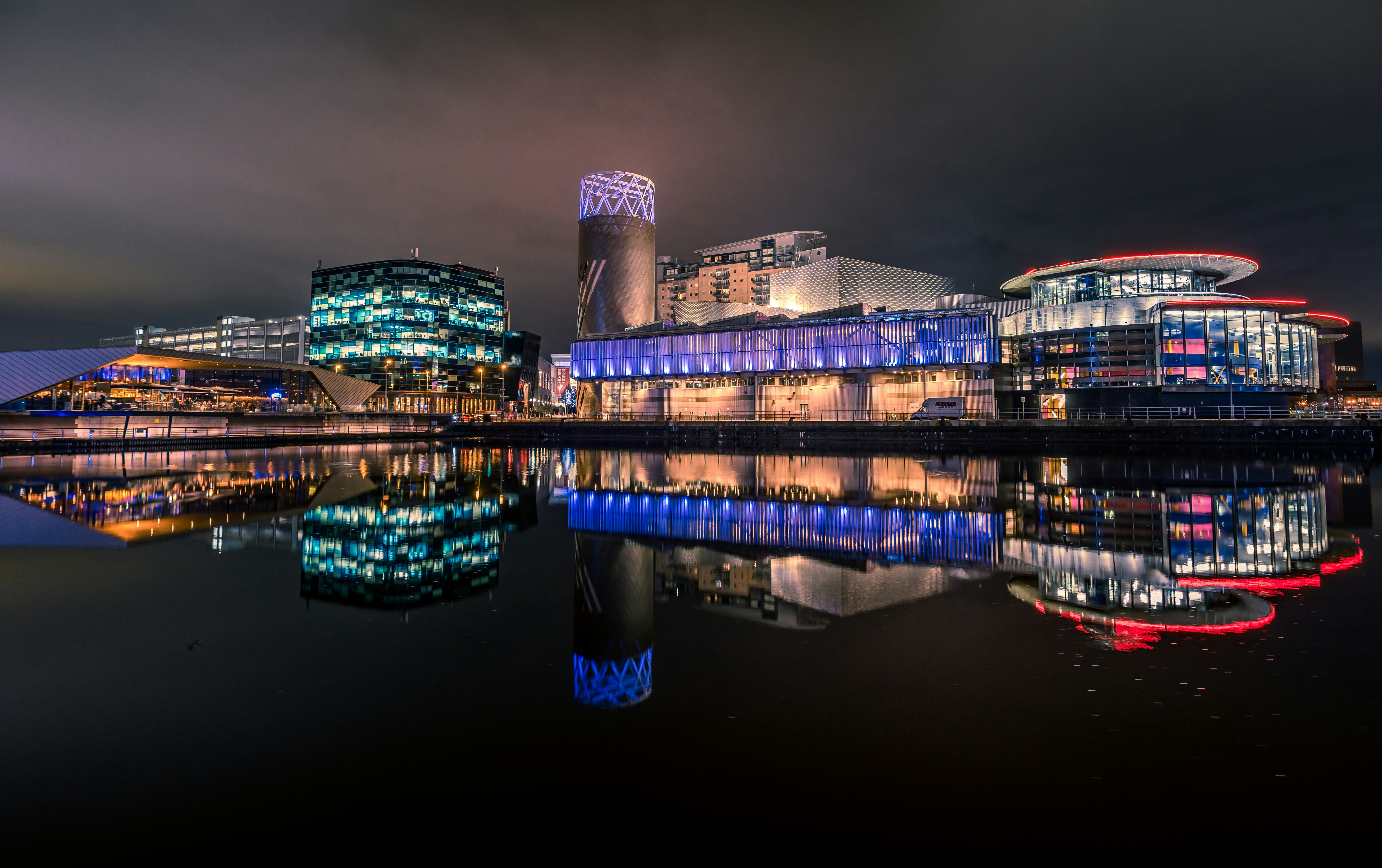
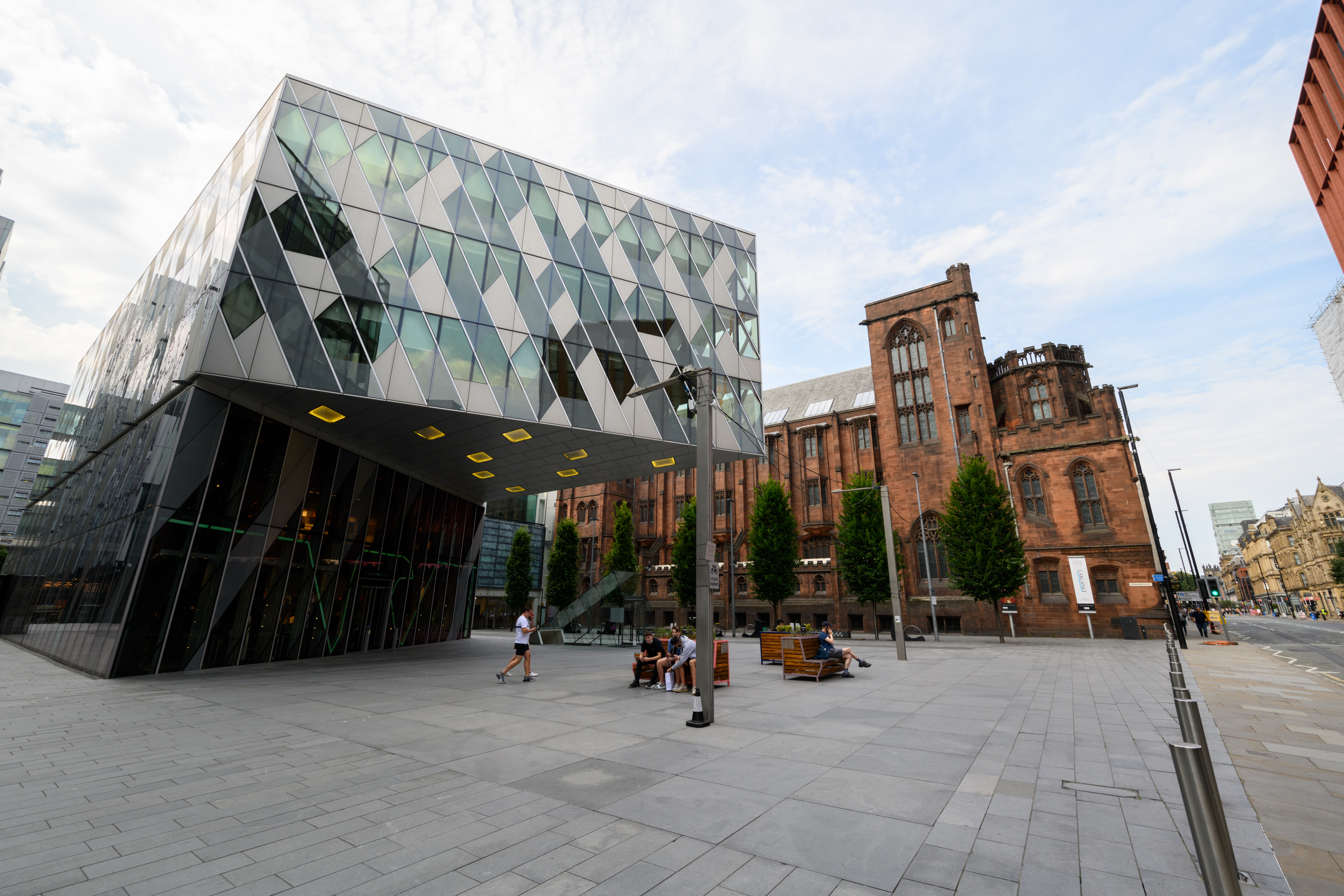
Energetic, diverse, and individual, Manchester is a city with true character.

First finding global fame as the heart of the Industrial Revolution, Manchester has a proud history in science, politics, music, arts, and sport.  This is the city where the atom was first split, where the world’s first passenger railway was opened, and where the modern computer was invented. It’s where bands like the Smiths, Oasis, Joy Division, and the Stone Roses were inspired to write music that moved the world.  It’s the birthplace of modern vegetarianism, atomic theory, women’s suffrage, and thermodynamics. It’s where Emmeline Pankhurst, Alan Turing, LS Lowry, and Anthony Burgess called home.

Exploring Manchester city centre you’ll find it packed with remnants of this history but also unique and independent restaurants, bars, shops, museums, galleries, and hotels, all gathered in districts with their own distinct personalities.

Further out from the city, the surrounding boroughs of Greater Manchester offer some entirely different experiences including charming market towns, traditional country pubs and beautiful green spaces and waterways.

All this doesn’t scratch the surface of the modern Manchester experience. This city is what you make of it, so get out there, explore, and find the Manchester that speaks for you.

Pictures by Marketing Manchester, www.meetinmanchester.com